
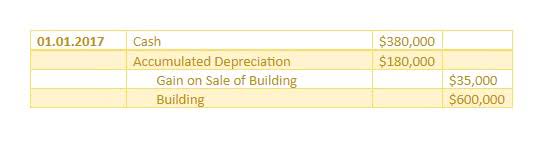
They ledger account give investors an idea of a company’s financial health as it relates to a potential burden of debt. In addition to measuring company performance, financial ratios reflect the abilities and decisions of management. Improving profitability, liquidity, and leverage ratios indicate effective financial management. Worsening ratios indicate poor operational or strategic decisions from top executives.
- Colgate’s cash ratio has decreased from 0.45x in 2017 to 0.20x in 2020.
- Companies aim to optimize DSO to ensure the timely collection of receivables.
- It allows users to generate custom reports and track key financial metrics over time, making it easier to monitor business performance.
- Hence, the company must find the optimal capital structure in which the costs are minimal.
- The debt service coverage ratio compares earnings to total debt payment obligations.
- Leverage ratios evaluate a company’s capital structure and its ability to meet financial obligations.
Improving Company Performance Through Ratio Analysis
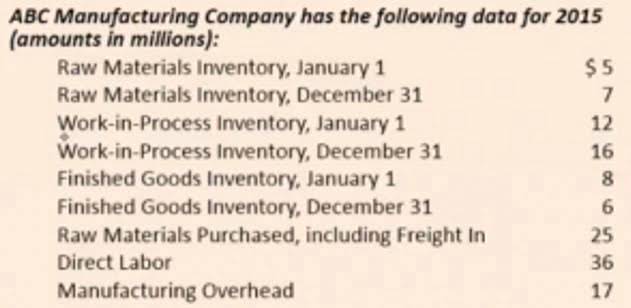
But, if the receivables turnover is way above the industry’s, then the firm’s credit policy may be too restrictive. A quick analysis of the current ratio will tell you that the company’s liquidity has gotten just a little bit better between 2022 and 2023 since it rose from 1.18X to 1.31X. Ratio analysis can predict a company’s future performance—for better or worse. When a company generally boasts solid ratios in all areas, any sudden hint of weakness in one area may spark a significant stock sell-off. Ratio analysis is often used by investors, but it can also be used by the company itself to evaluate how strategic changes have impacted sales, growth, Retail Accounting and performance. Effective financial management requires continuous monitoring and analysis.
Financial ratio analysis examples
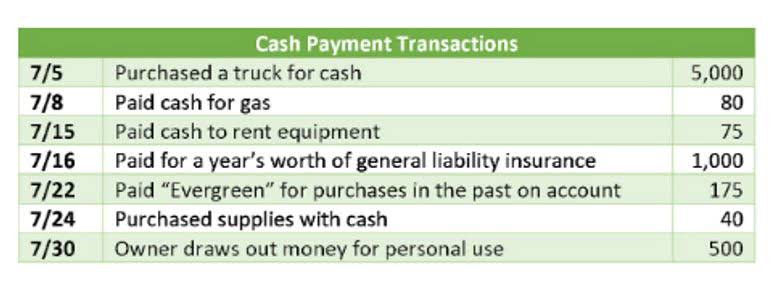
Instead, it relies on significant sales volume to increase profitability. Days sales outstanding (DSO) describes how financial ratio analysis quickly the company collects payments from customers. Days of inventory on hand (DOH) measures how quickly a company converts inventory into sales.

Solvency ratios
This comparative aspect of the analysis is extremely important in financial analysis. It is important to note that ratios are parameters and not precise or absolute measurements. Thus, ratios must be interpreted cautiously to avoid erroneous conclusions. Ratio analysis is the quantitative interpretation of the company’s financial performance. It provides valuable information about the organization’s profitability, solvency, operational efficiency and liquidity positions as represented by the financial statements.

Efficiency ratios
- This is because this ratio considers direct and indirect costs such as selling, general and administrative expenses (SG&A expenses), which represent fixed costs.
- Comparing financial ratios from several reporting periods reveals performance trends.
- Usually financial statements refer to the balance sheet, income statement, statement of comprehensive income, statement of cash flows, and statement of stockholders’ equity.
- Ratio analysis is the cornerstone of a company’s financial analysis.
- Then, comparing with peers or industry averages is the next benchmark.
Chief among these ratios are the current ratio and quick ratio, which compare certain current assets to current liabilities. The quick ratio is the same as the current ratio, except that it does not include inventory, on the grounds that it can take a long time to liquidate inventory. One of the uses of ratio analysis is to compare a company’s financial performance to similar firms in the industry to understand the company’s position in the market. The management can then use the information to formulate decisions that aim to improve the company’s position in the market.
The Quick Ratio
International databases like Bloomberg also cover major Indian companies and offer detailed financial analysis. The operating cash flow ratio measures how well a company pays off its current liabilities with the cash generated from its core business operations. The debt-to-equity Ratio measures the relationship between a company’s total liabilities and shareholders’ equity.